Hood cleaning in Vineland, NJ removes the grease buildup that accumulates inside your commercial exhaust hood during cooking. This service is for restaurants, diners, and food-service operations that need to meet NFPA 96 compliance and pass fire marshal inspections. A properly cleaned hood keeps grease off your duct interior and reduces the risk of a kitchen fire starting above the line.
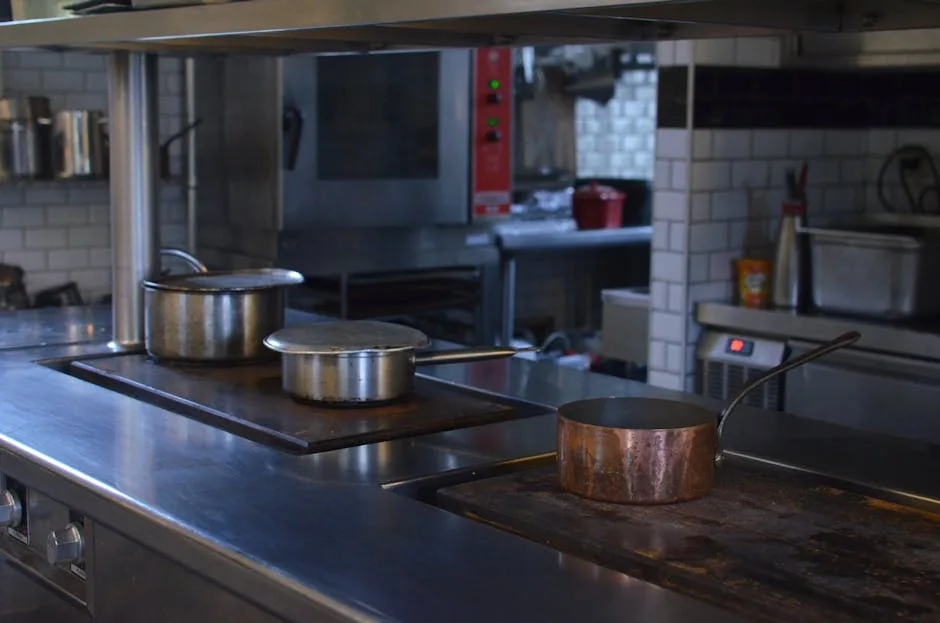
What Hood Cleaning Involves
A full hood cleaning covers the interior surfaces of the hood canopy, the grease collection trough, the baffle filters, and the visible portion of the duct collar. Our crew applies a commercial-grade degreaser, allows it to dwell, then scrubs and pressure-rinses the surfaces until grease residue is gone. All collected grease is removed and disposed of off-site — none of it goes down your kitchen drains. The job ends with a wipe-down of the hood exterior and a signed service certificate you can file for your records.
When Your Hood Needs Cleaning
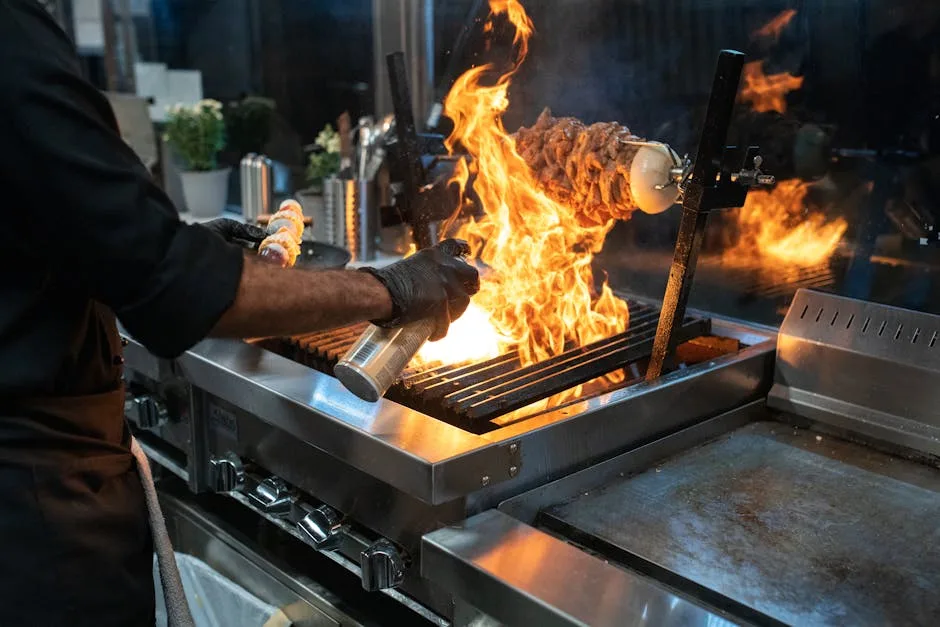
NFPA 96 sets cleaning frequency based on cooking volume and fuel type. High-volume operations — open-flame grilling, wok stations, charbroiling — typically require monthly cleaning. Moderate cooking loads such as fryers, flat tops, and ovens generally call for quarterly service. Low-use kitchens may qualify for semi-annual or annual cleaning. Your fire marshal sets the final requirement for your specific location. If you are overdue or unsure of your schedule, that is the right time to call.
When Hood Cleaning Is Not Enough
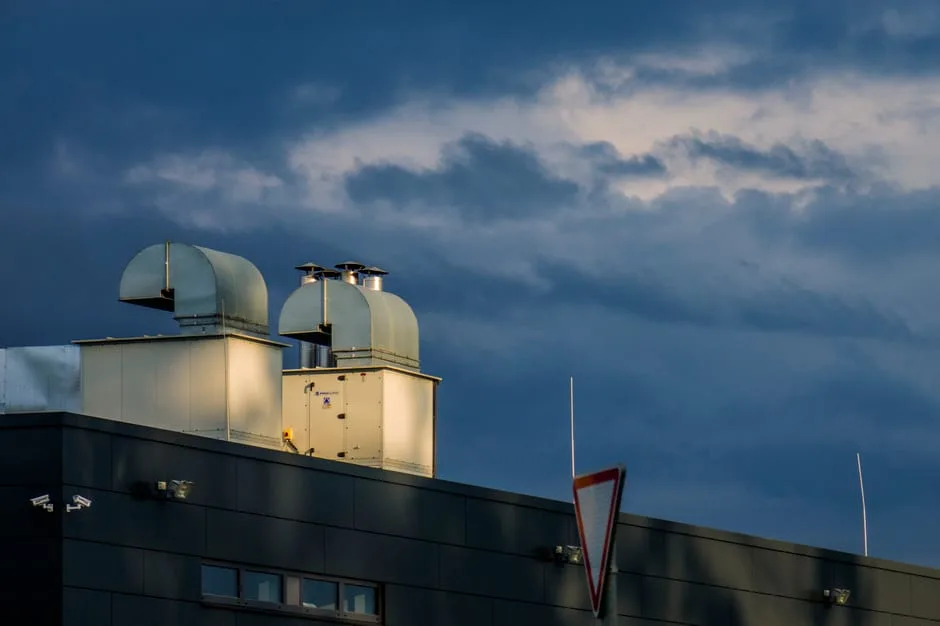
A hood cleaning addresses grease on the hood surfaces and baffles, but grease migrates through the entire exhaust path. If the duct interior or rooftop exhaust fan has not been cleaned in a long time, cleaning the hood alone will not satisfy an inspector or meaningfully reduce fire risk. Most operators in Vineland should schedule a full system cleaning — hood, duct, and fan — at the same visit. We will tell you the condition of each component at inspection so you can make an informed decision.
Frequently Asked Questions
How long does a hood cleaning take?
Most single-line hoods take between two and four hours. Larger systems with multiple hoods, long duct runs, or heavy grease buildup take longer. We schedule cleanings after your last service shift so the kitchen is ready before your next opening.
Do I get paperwork after the cleaning?
Yes. Every visit ends with a signed service certificate that lists the date, technician, areas cleaned, and any deficiencies we observed. Fire marshals and health inspectors will ask for this documentation. Keep it on-site with your other compliance records.
What if my hood has not been cleaned in over a year?
Heavily neglected hoods take longer and sometimes require a second pass to reach bare metal. We will assess the condition before starting and give you a realistic estimate. There is no penalty for calling — the goal is to get the system back to a safe and compliant state.
Can you work around my kitchen hours?
Yes. We schedule after close and can work overnight if needed. Most jobs in Vineland are done between 10 pm and 3 am to avoid interfering with service. Call to discuss your schedule and we will find a window that works.
Authoritative Resources
- NFPA 96 — Standard for Ventilation Control and Fire Protection
The national standard governing kitchen exhaust cleaning frequency and scope.
- NJ Division of Fire Safety
New Jersey's authority for fire code enforcement, including commercial kitchens.
- OSHA — Food Service Industry
Federal workplace safety guidance applicable to commercial kitchen operations.